students develop containment era movie posters to think about the 1950s red scare.
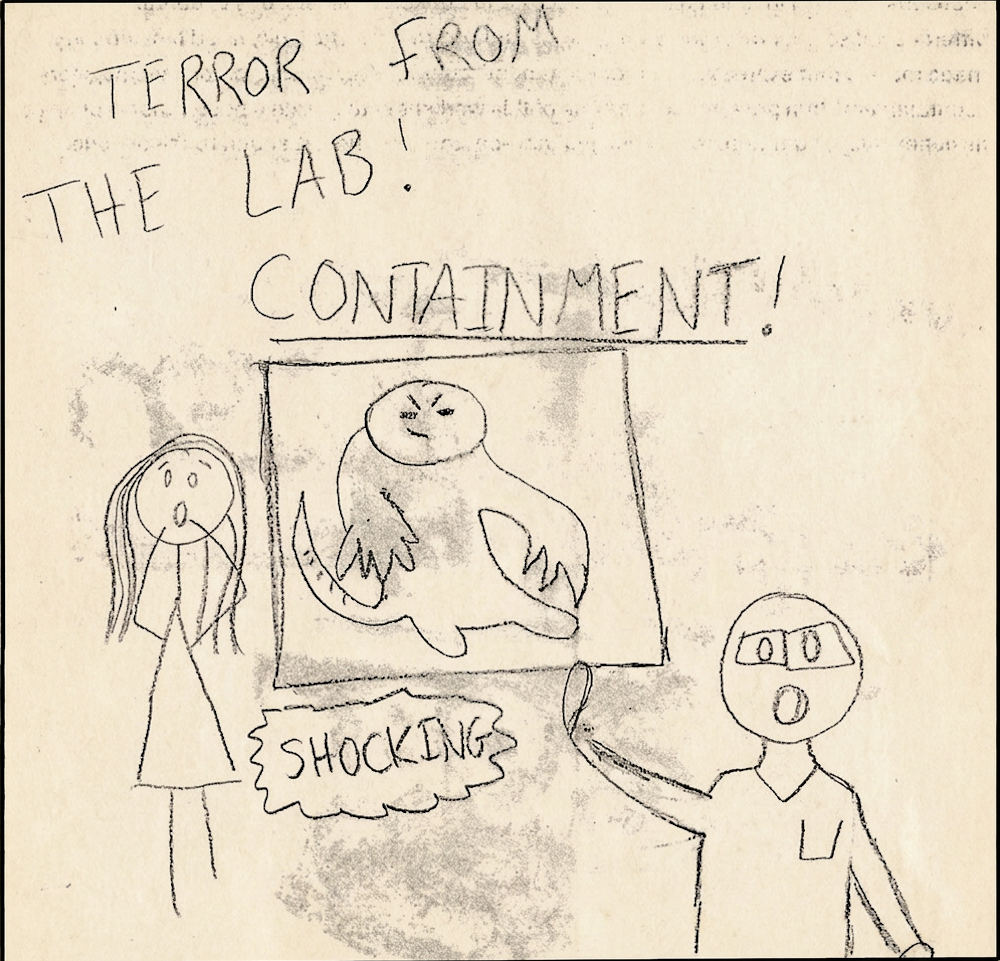
To study the Cold War era in United States history, students in my introductory course, Modern America: US Since 1865, at the State University of New York Brockport create their own versions of Cold War-era film posters.
The concept of my lecture is that “containment” began as a foreign policy offered by, primarily, George Kennan, the Soviet diplomat and Russia expert (as historian Ryan Irwin and others point out, it had earlier antecedents, however). By the 1950s, I contend, containment shifted from the geopolitics of diplomatic and military affairs to the domestic arena, where a “containment culture” emerged in the US. Abundance expanded, however only on terms of political constraint and social conformity.
You could participate in a new, flourishing, middle-class life of mass consumerism, but only if you were not different in any way from the new normal of a liberal anticommunist consensus. If you were non-white, you were out. If you were a woman, no more Rosie the Riveter for you—back into the home. If you were gay, a Lavender Scare. If you were bohemian, you might be tolerated, but just barely. Even the far right, with its virulent anticommunism, was pushed out of the picture to some extent (but neither so far, nor for long). And most certainly, after Joe McCarthy and various HUAC (House on Un-American Activities) hearings as well as J. Edgar Hoover’s work at the FBI, if you held even the vaguest hint of socialist political views, you were banished from mainstream American life. Blacklisted, put into the kitchen, pushed into the closet, excluded from the abundant life, Americans wound up contained at home as much as containment became foreign policy.
Of course, ironies abounded. As foreign policy, containment led to an expansive interventionism by the US. It meant that the US had to oppose communism wherever and whenever it may spread. The Cold War got hot quite often through endless proxy wars, coup plots, and forms of both military attack and soft power. It created upside-down ideas: in containment logic, “mutually assured destruction” and a nuclear arms race would guarantee that no nuclear apocalypse would occur.
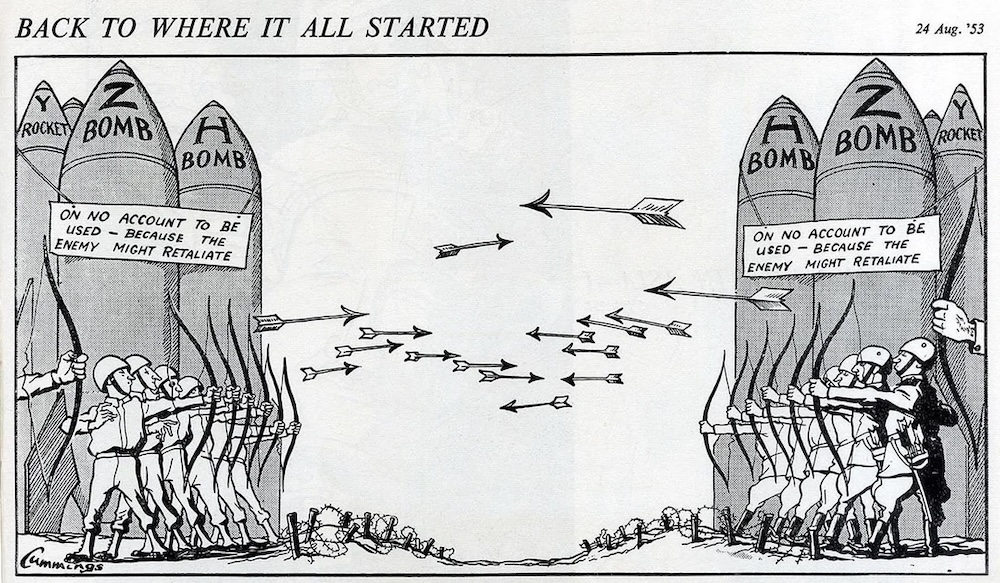
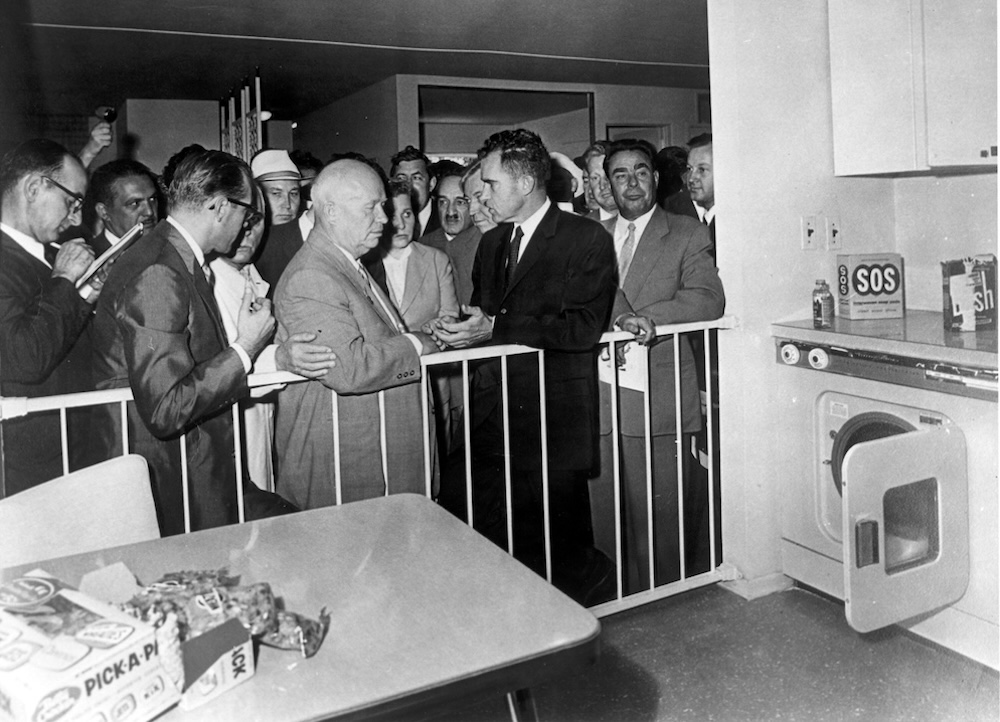
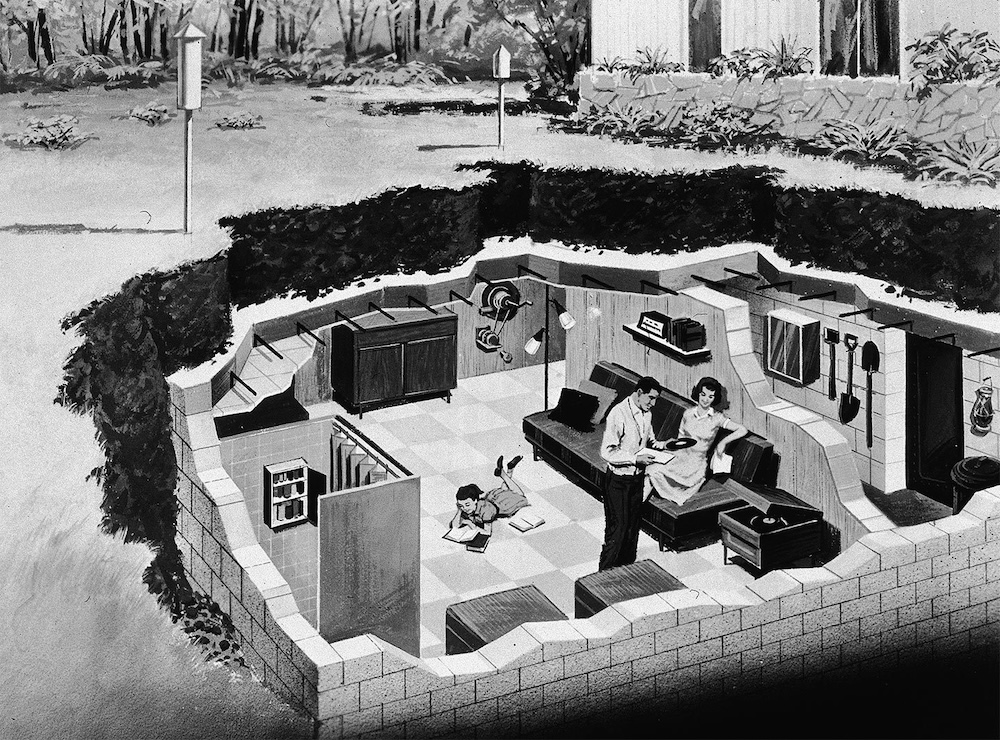
The rise of containment as geopolitical strategy pervaded domestic American culture. But then, in yet another irony, it bounced back to the international sphere. While at home a fad for suburban backyard atomic bunkers spread, by the Kitchen Debate in 1959, US Vice President Richard Nixon debated the virtues of American mass consumer culture with Soviet premier Nikita Khrushchev at the American National Exhibition at Sokolniki Park in Moscow. The two men did not stand in front of missiles and bombs, but rather a mock display of a postwar US kitchen, with all its electronic appliances, consumer durables, and mass consumer products. The domestic culture of Cold War containment had bounced back to the international concerns of foreign policy.
Sometimes, with students, we restage the Kitchen Debate, but this year I had a bit less time to work with in the course, so I opted for a new idea: after we explored the televised Joseph McCarthy hearings (“Have you no decency, sir?” said lawyer Joseph N. Welch after planting a trap that Joseph McCarthy walked right into despite the pleadings of his righthand man, Roy Cohn, later a mentor to Donald Trump) and looked briefly at the infamous Red Channels: the Report of Communist Influence in Radio and Television pamphlet, we took a peek at various Hollywood film posters that marked the Cold War containment era.
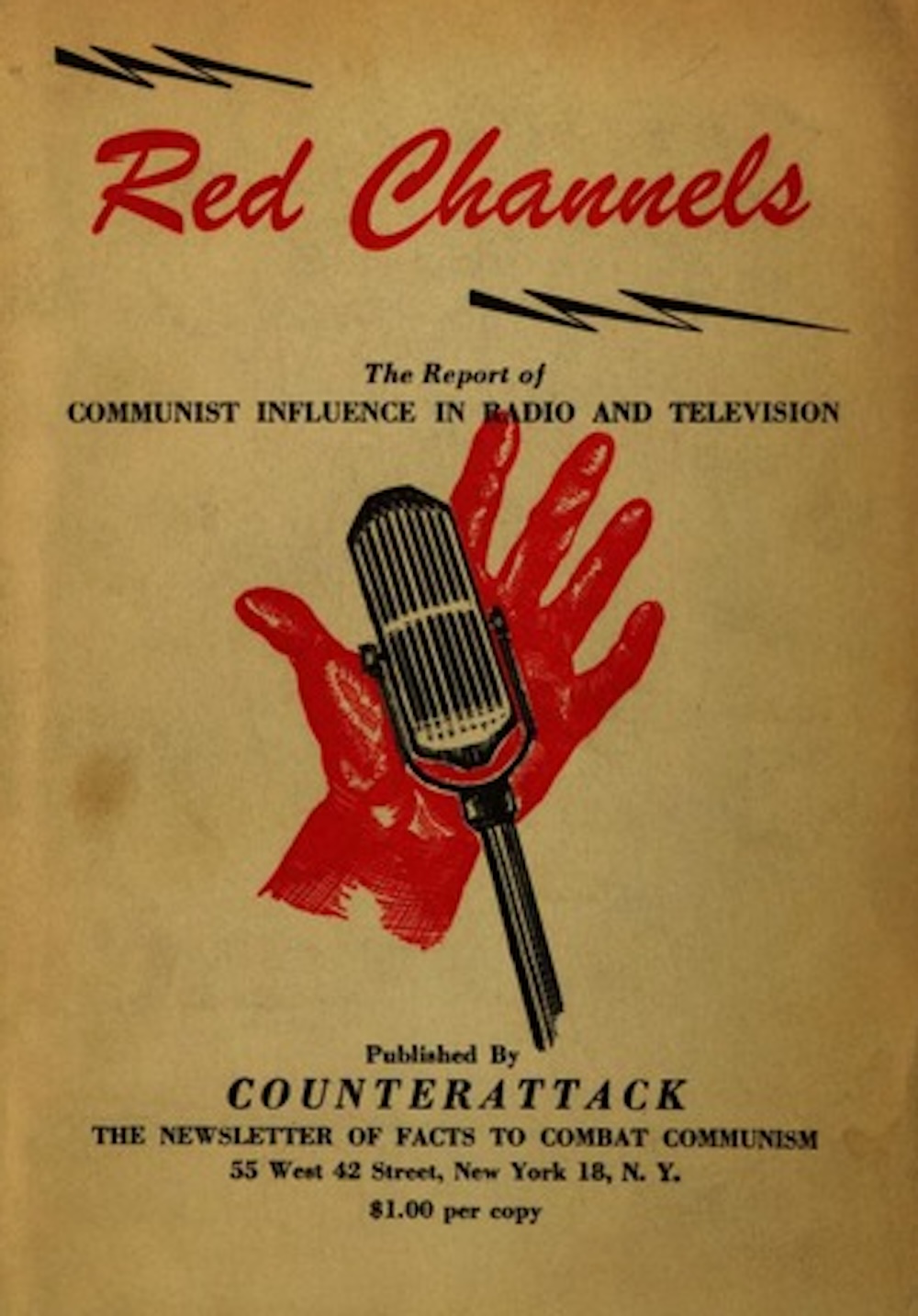
Students examined posters for I Married a Communist, The Red Menace, and even sci-fi flicks such as The Blob and Invasion of the Body Snatchers. Then they designed their own Cold War containment era posters and explained how their designs revealed the geopolitical and domestic anxieties of the time. Students came up with some great results, as the images and PDF below show. Names removed to protect my secret networks. See you at the movies, Cold War style!
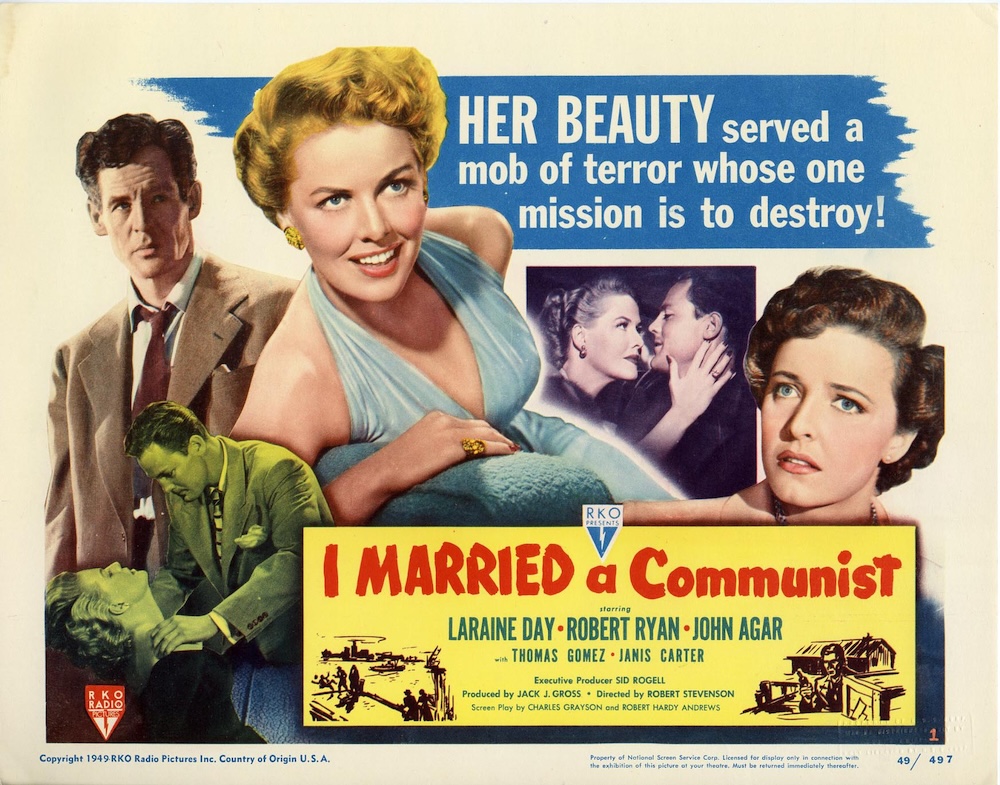
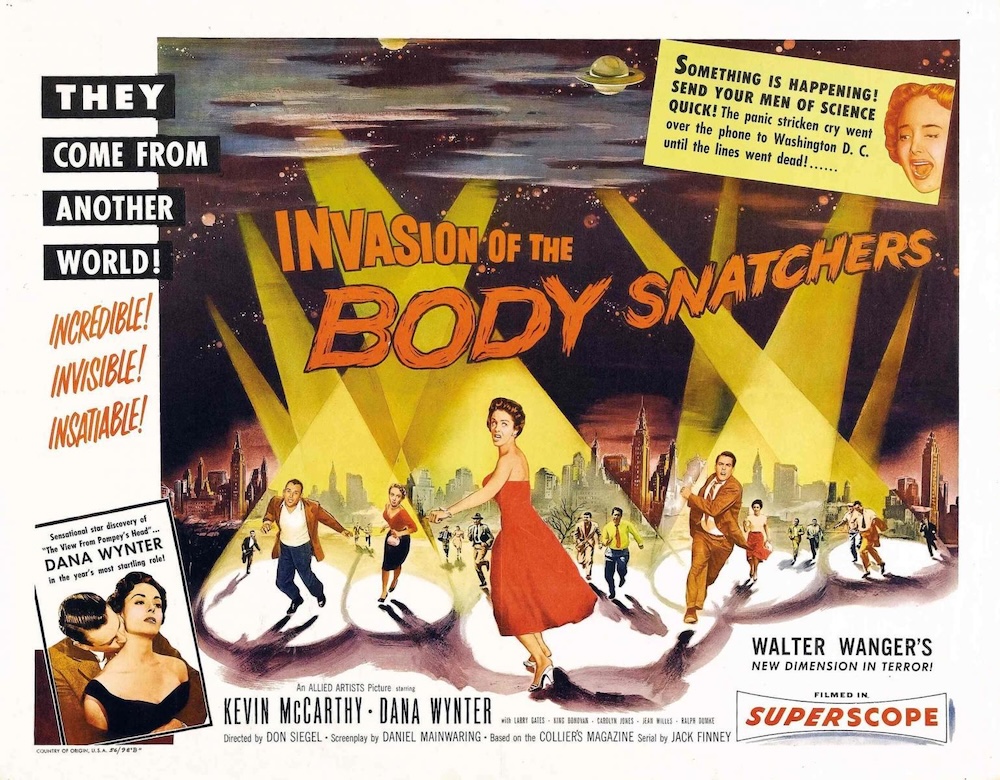
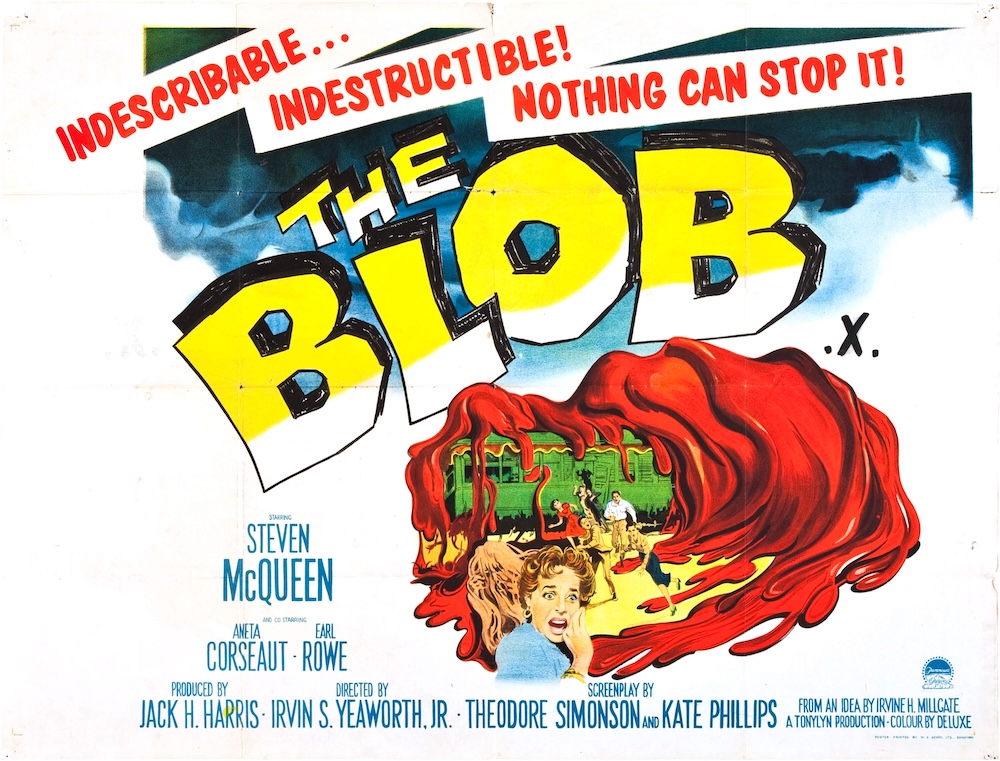
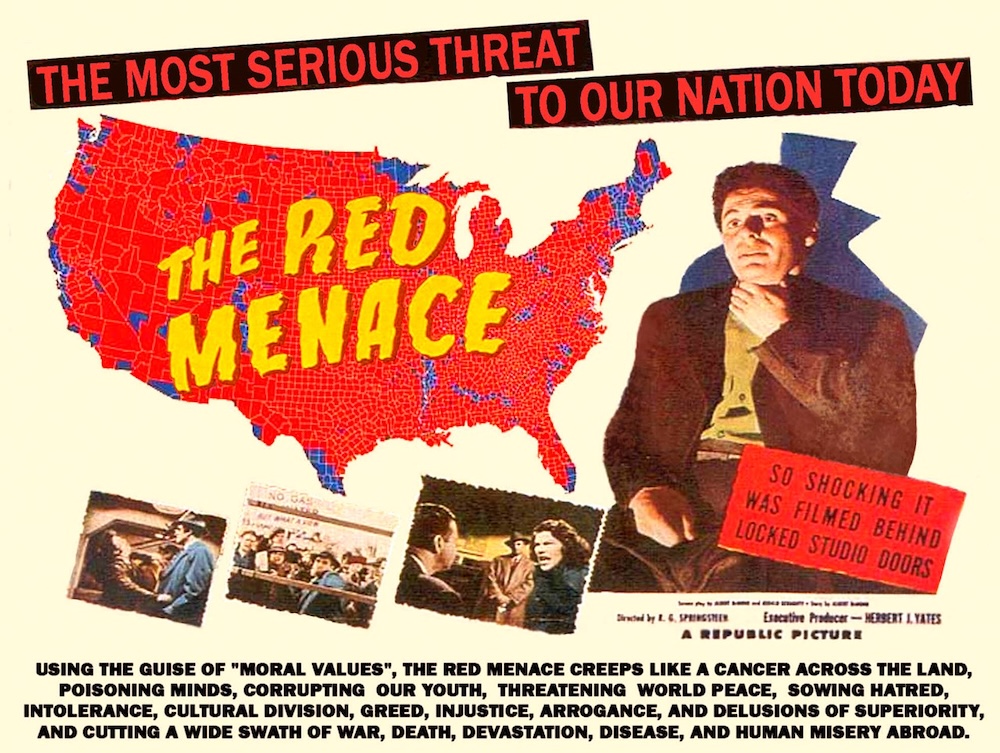
The Assignment
Design a “containment culture” film poster from the 1950s era of Cold War conformity and consensus liberalism.
In one or two sentences, explain how your poster could have appeared during the 1950s ear of “containment culture,” conformity, and Cold War consensus liberalism.
Selected Results
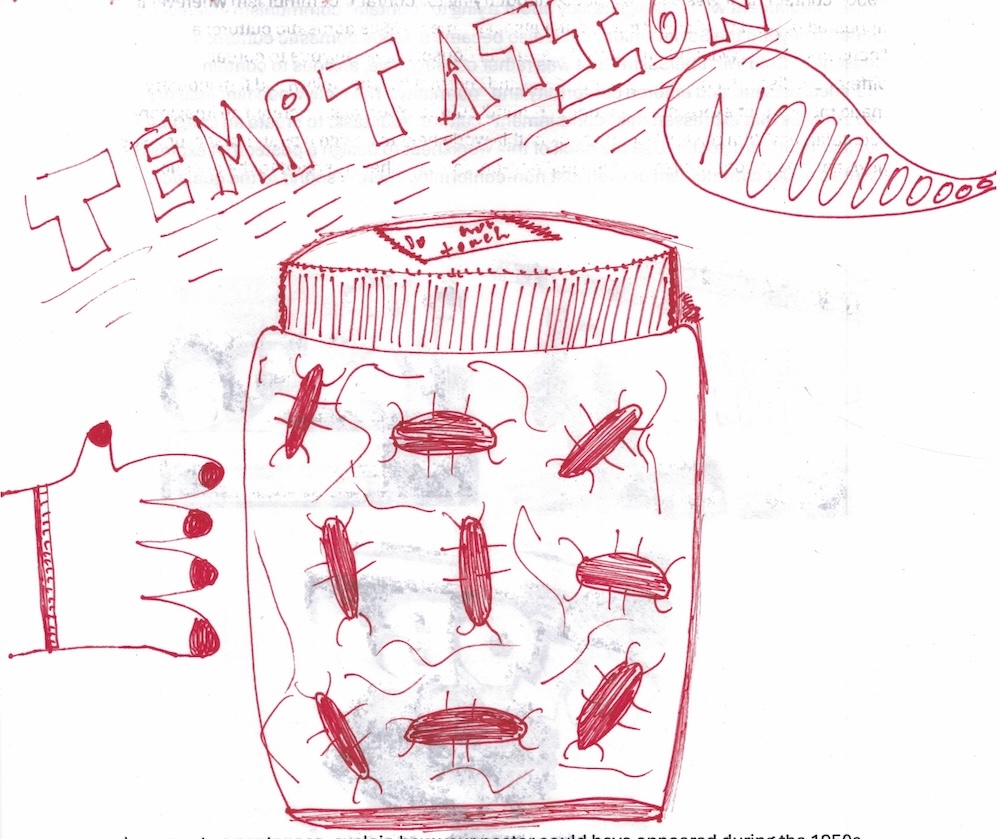

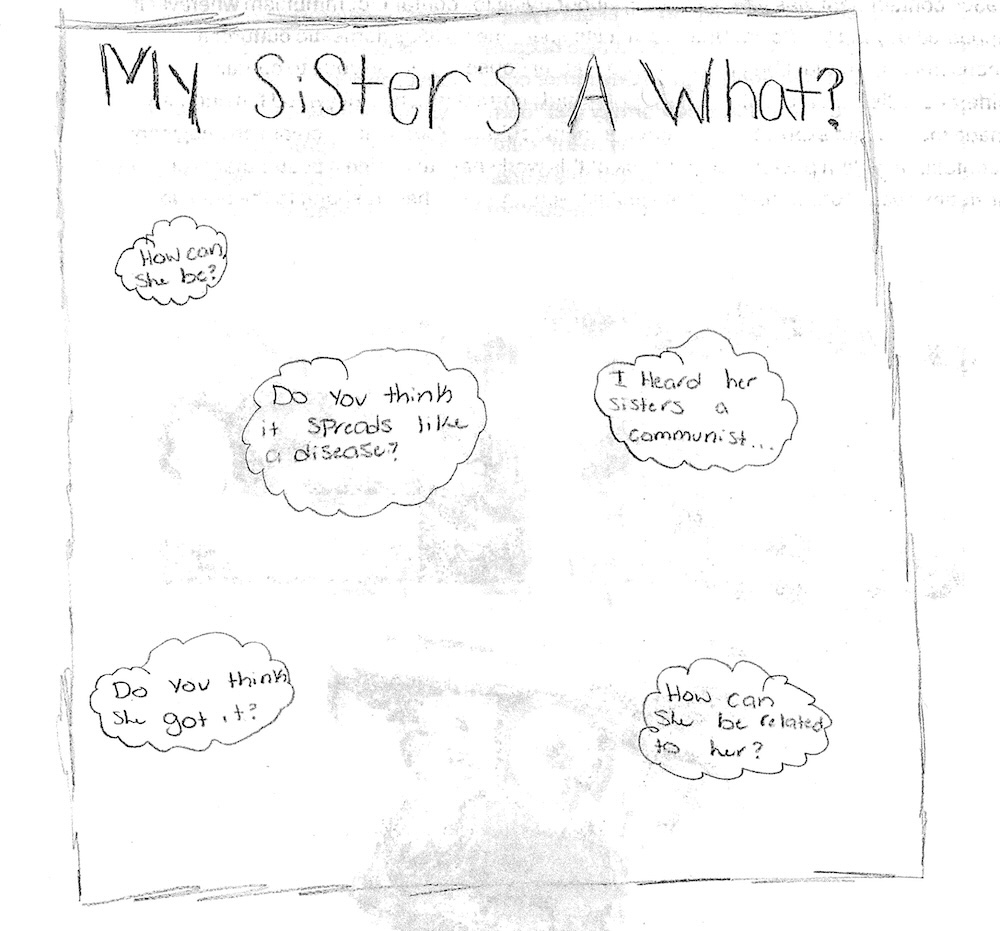
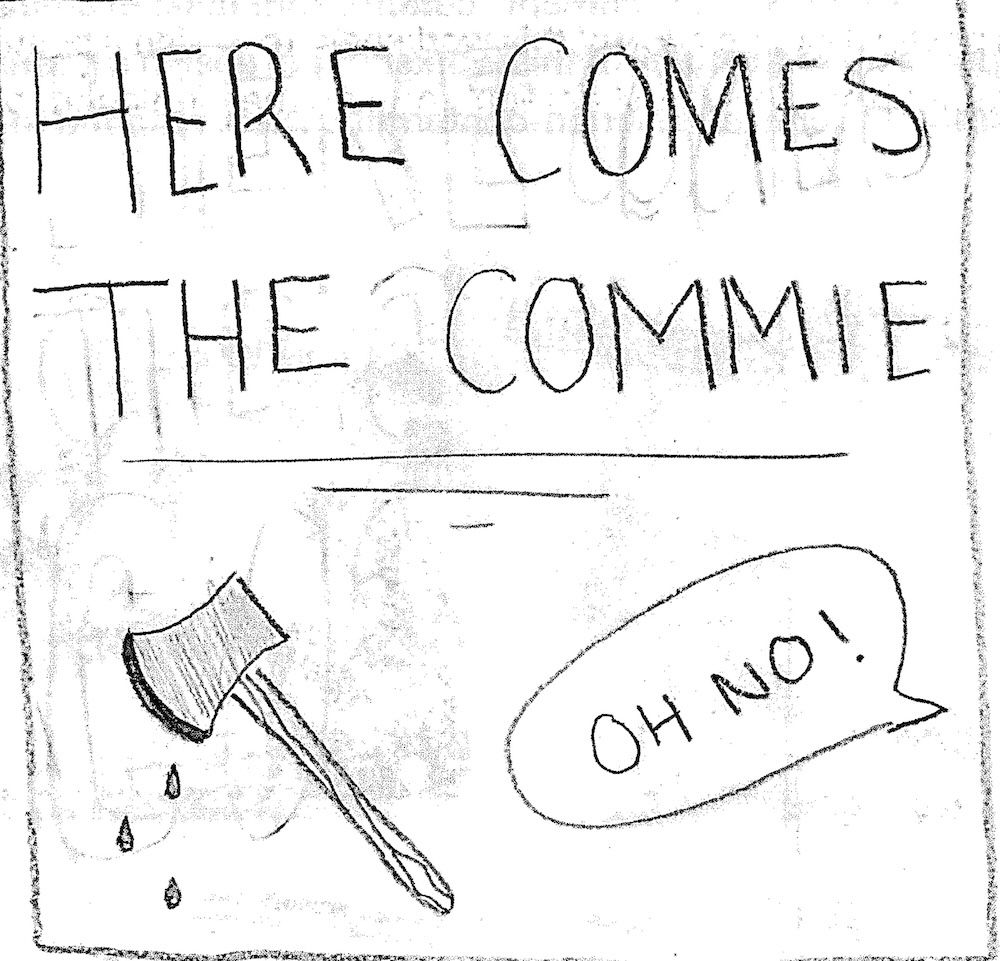
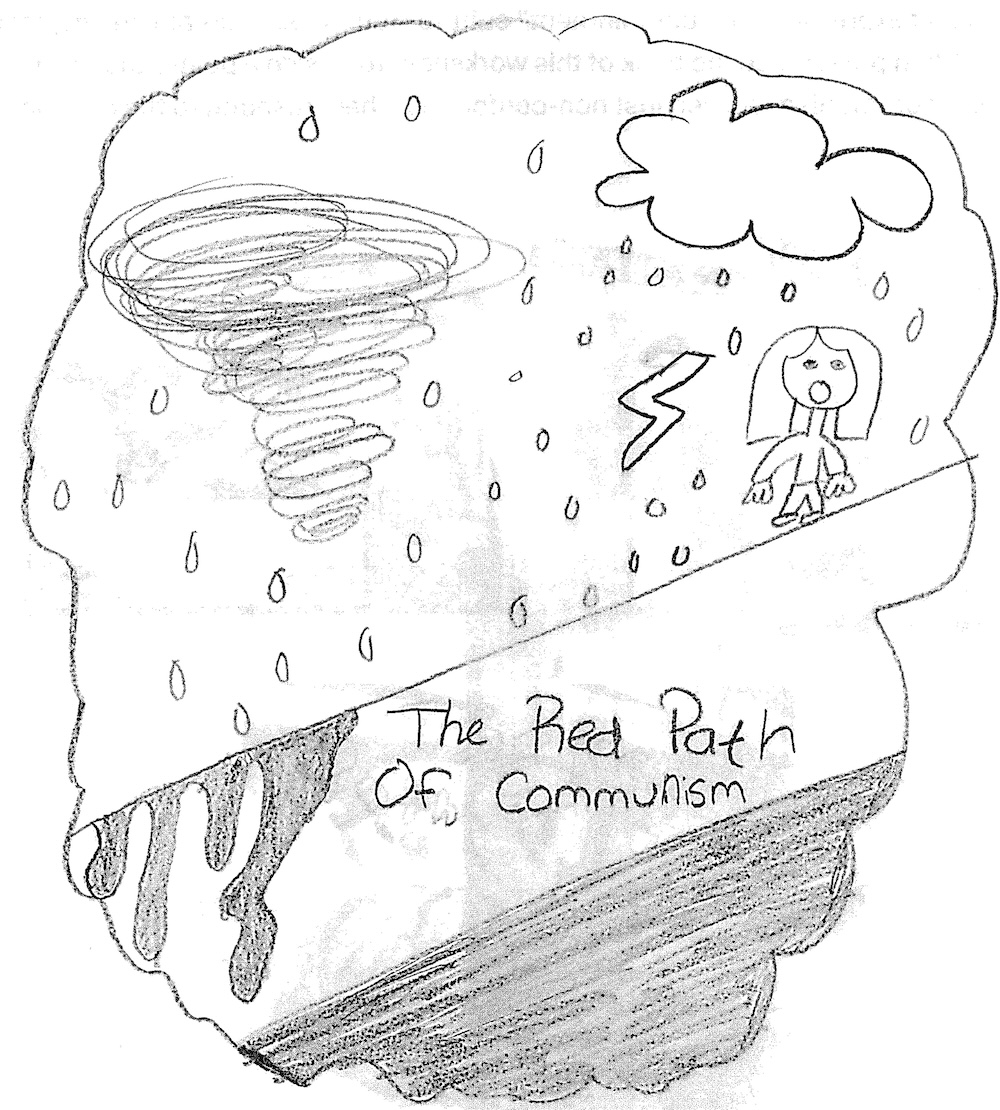
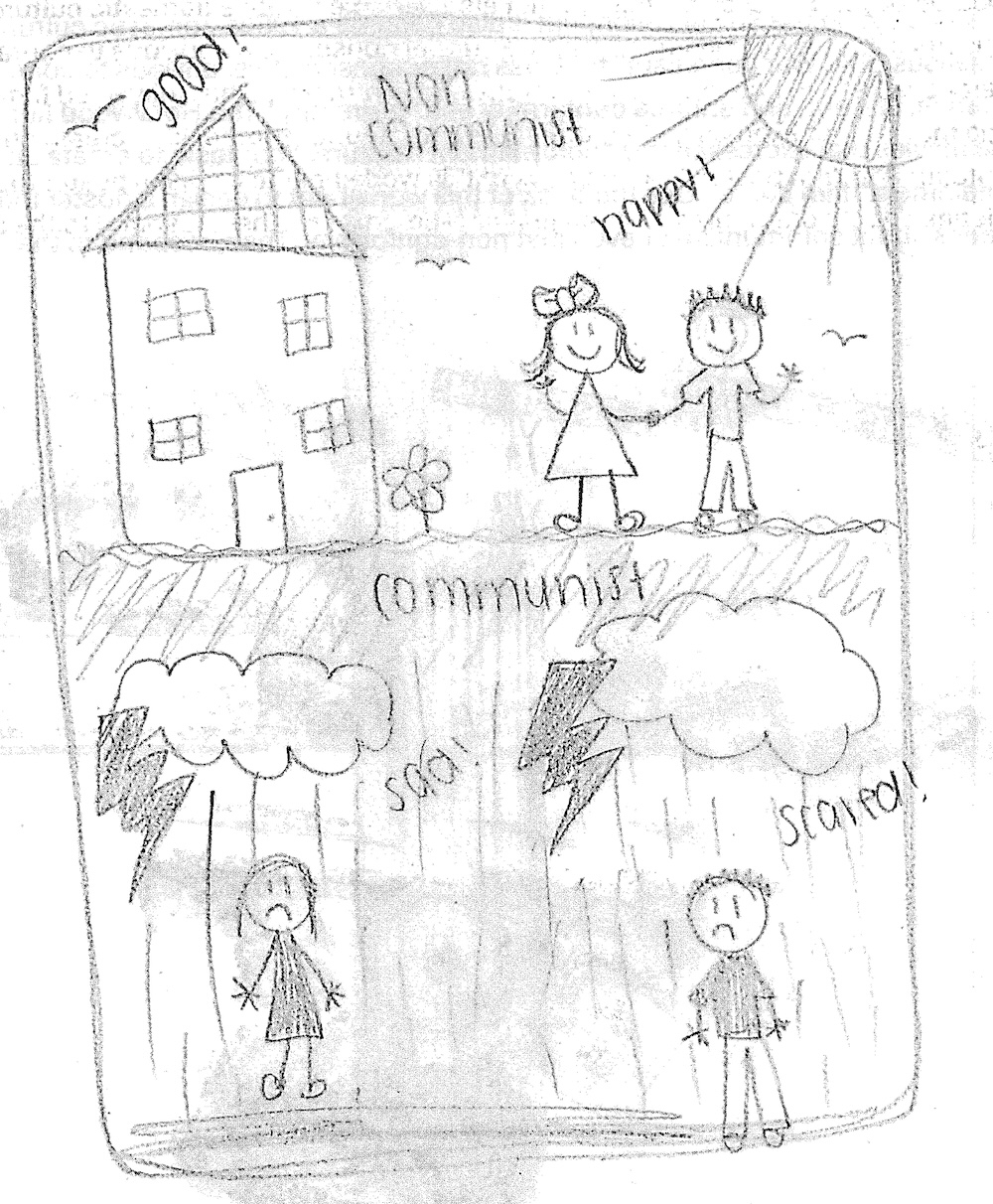
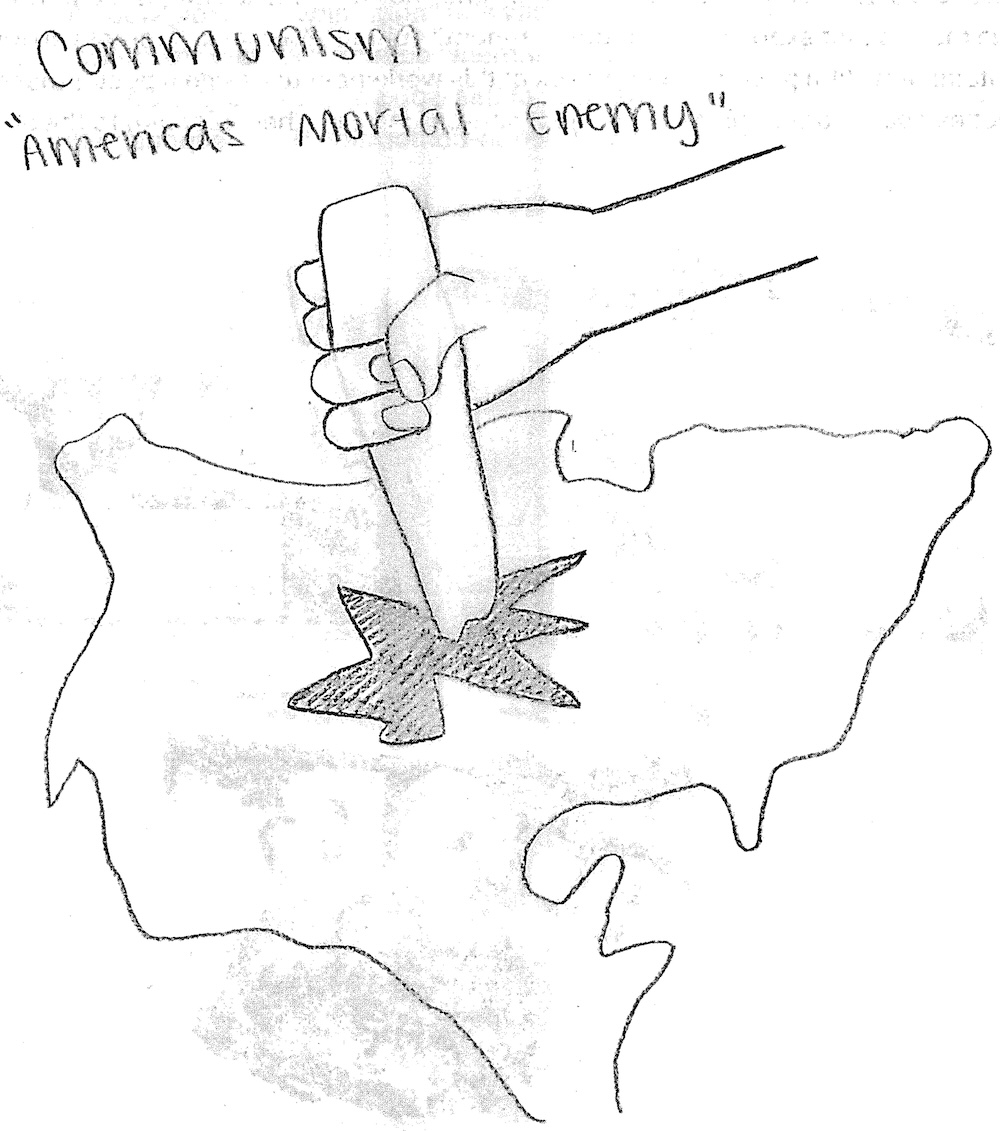
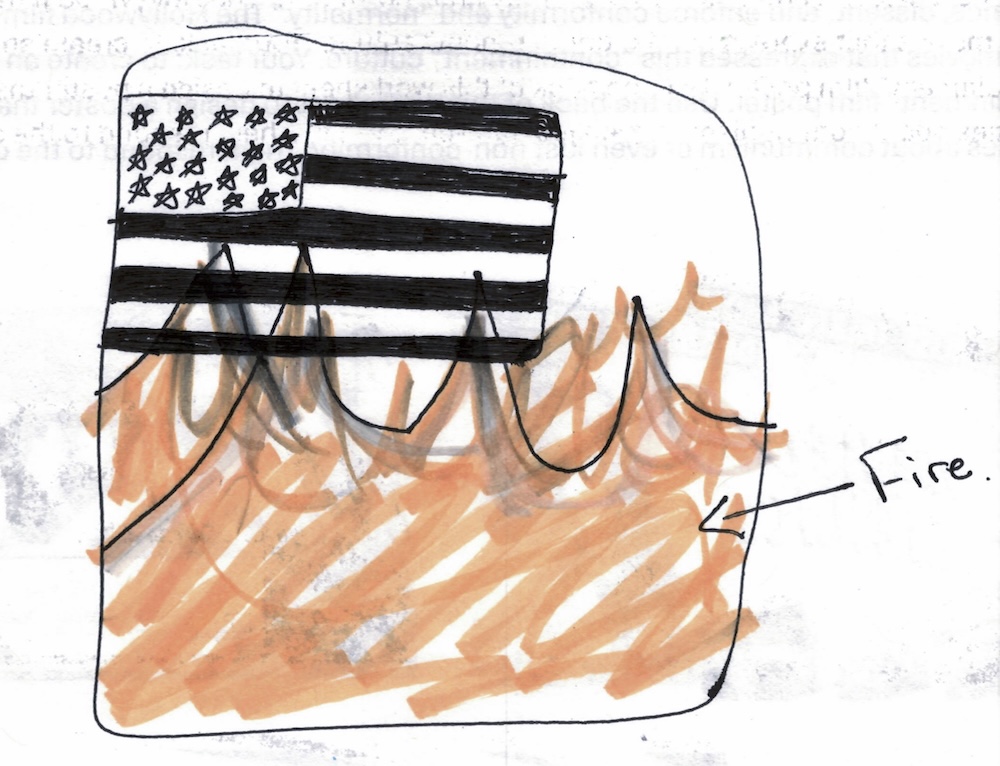
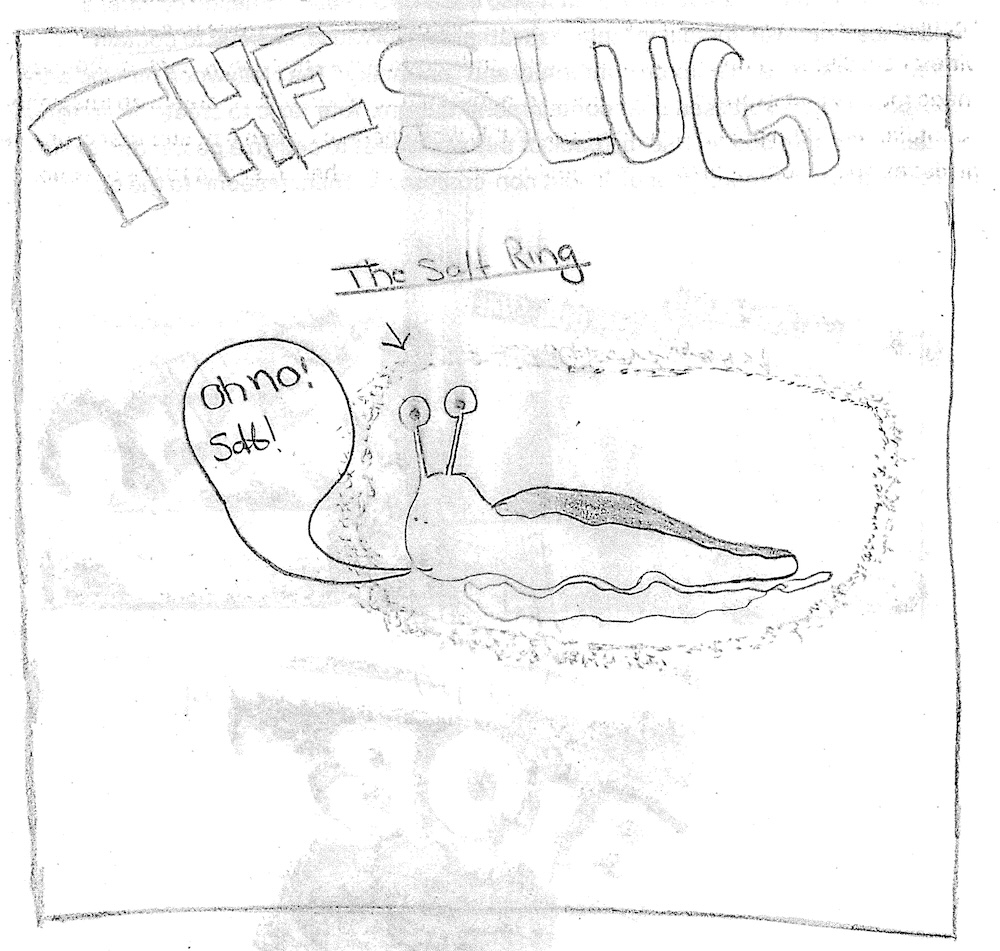
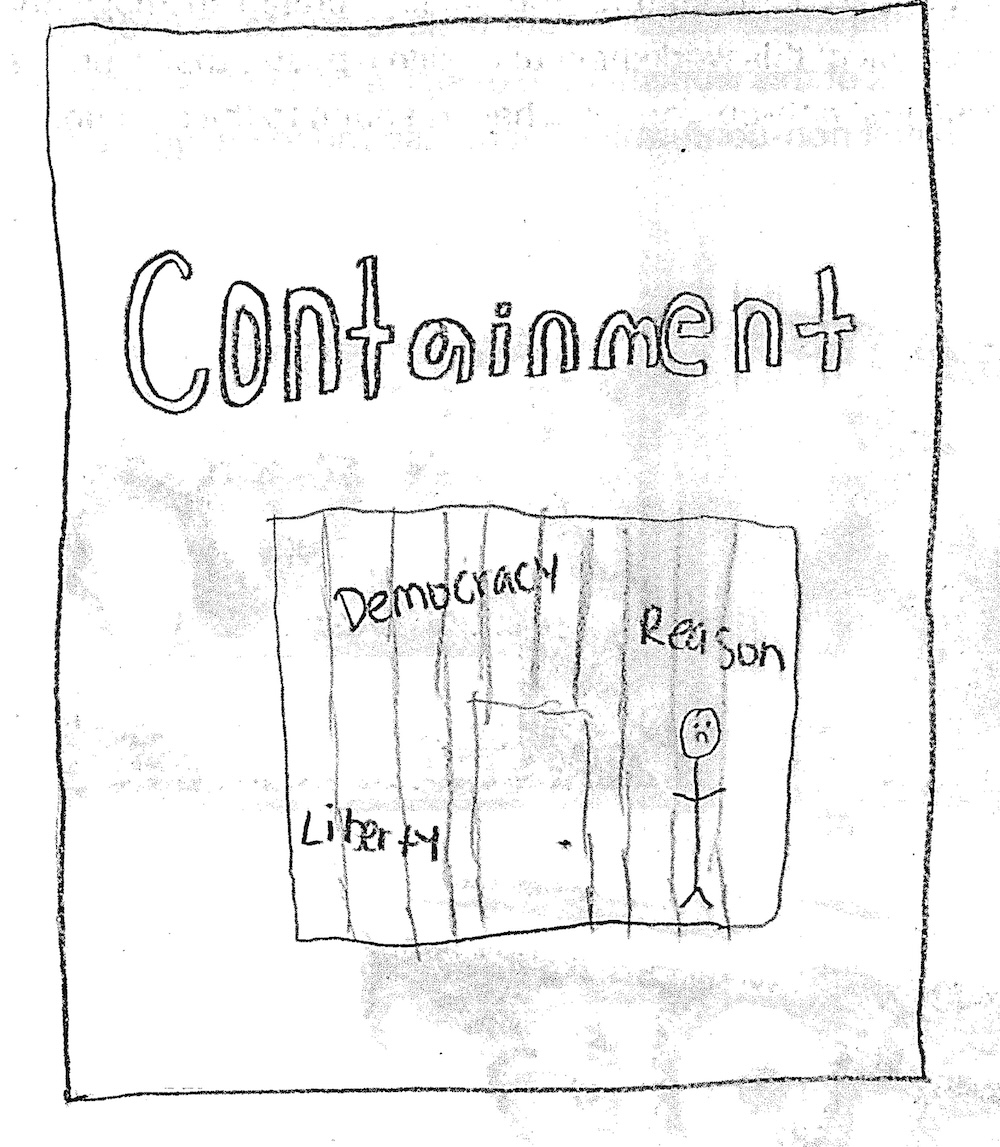
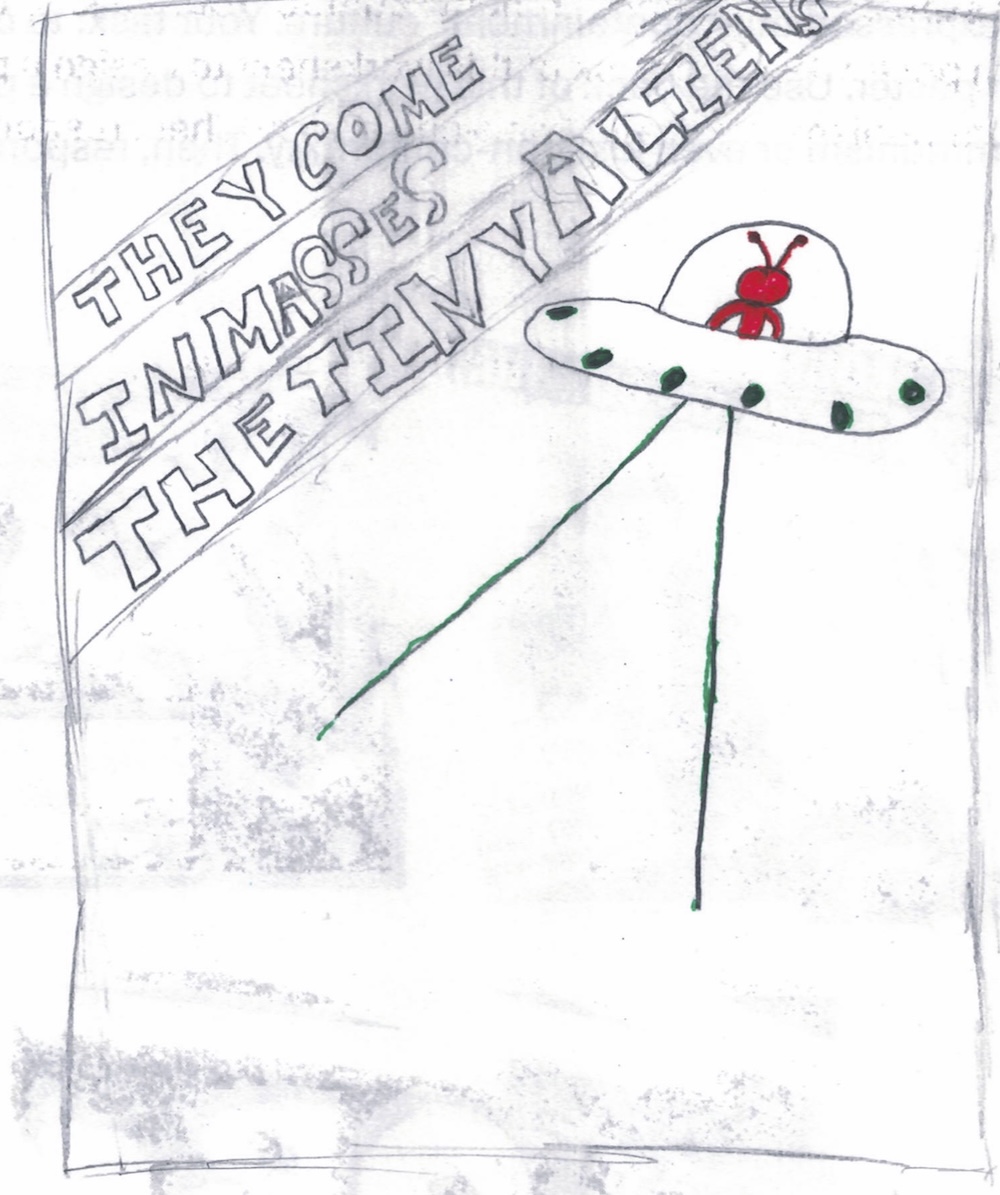
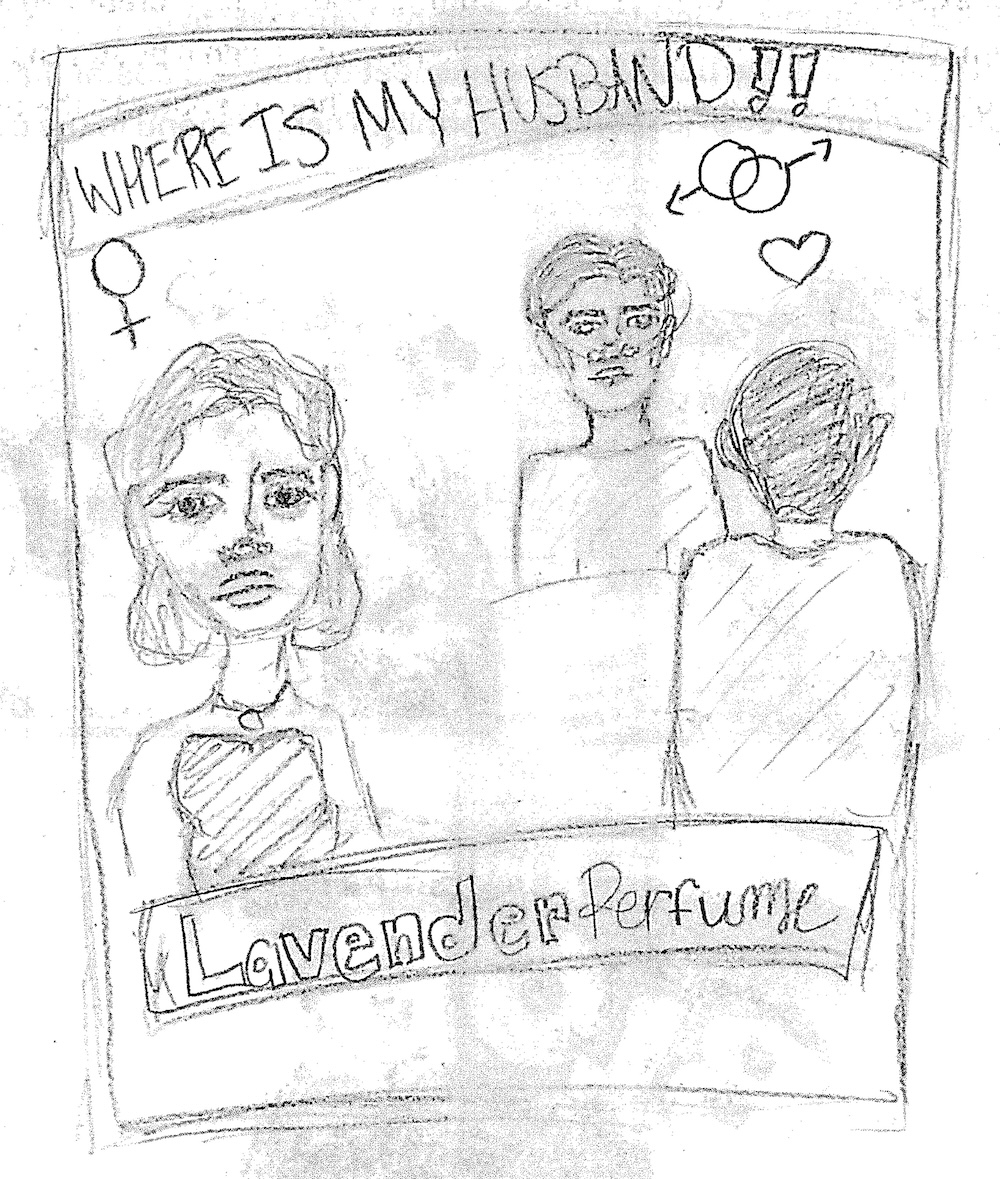
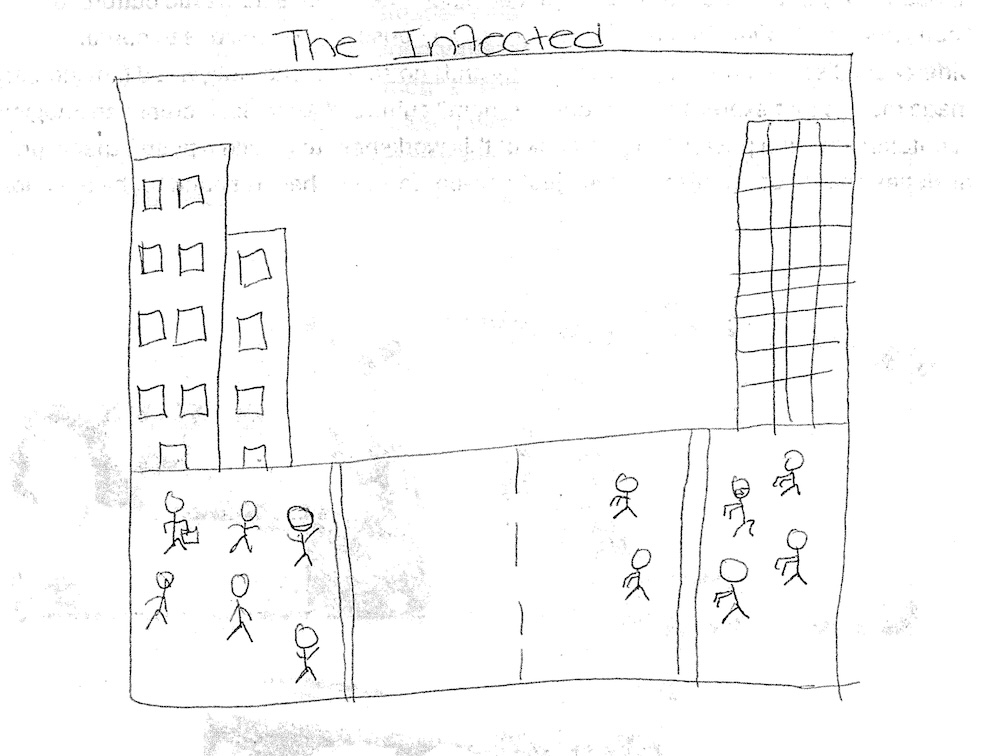
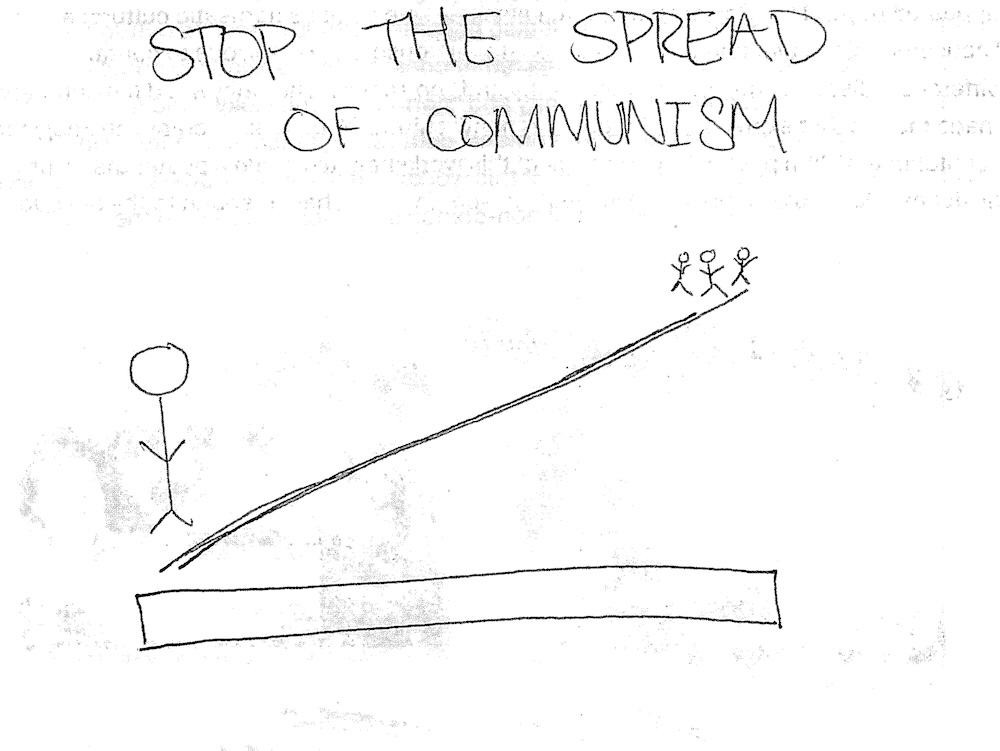
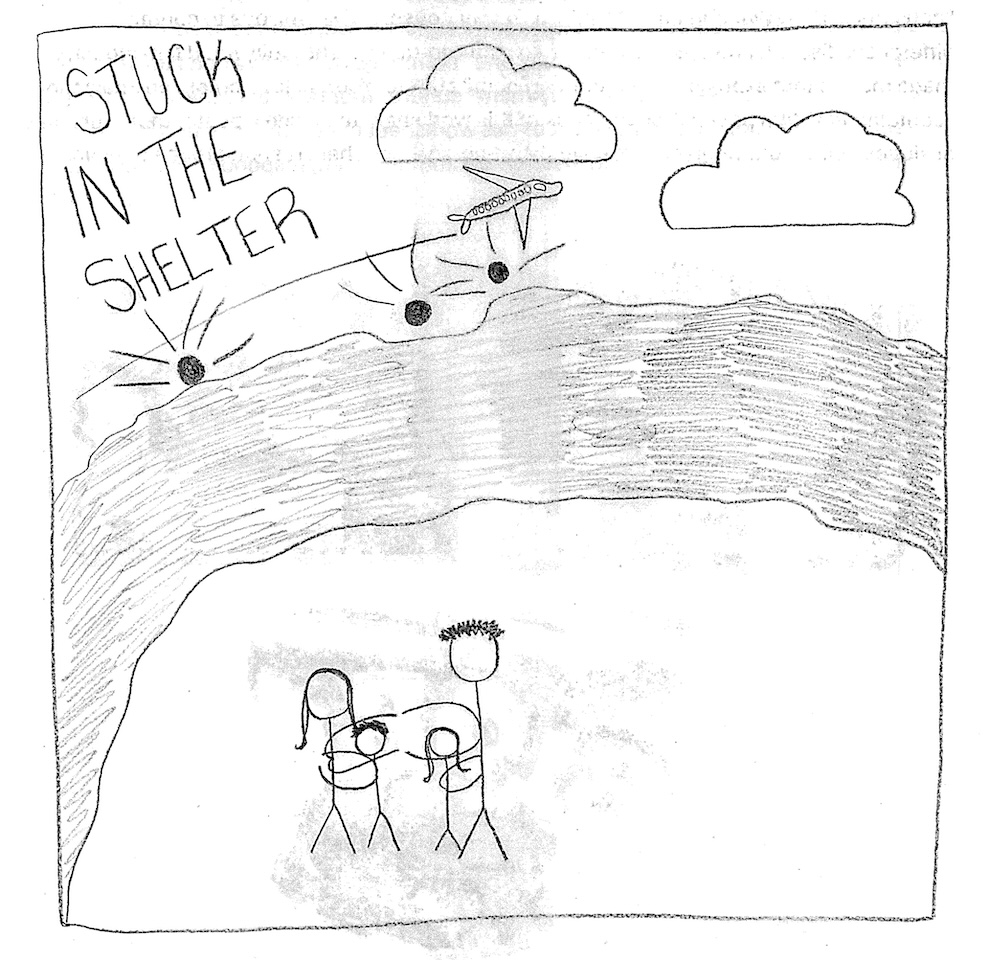
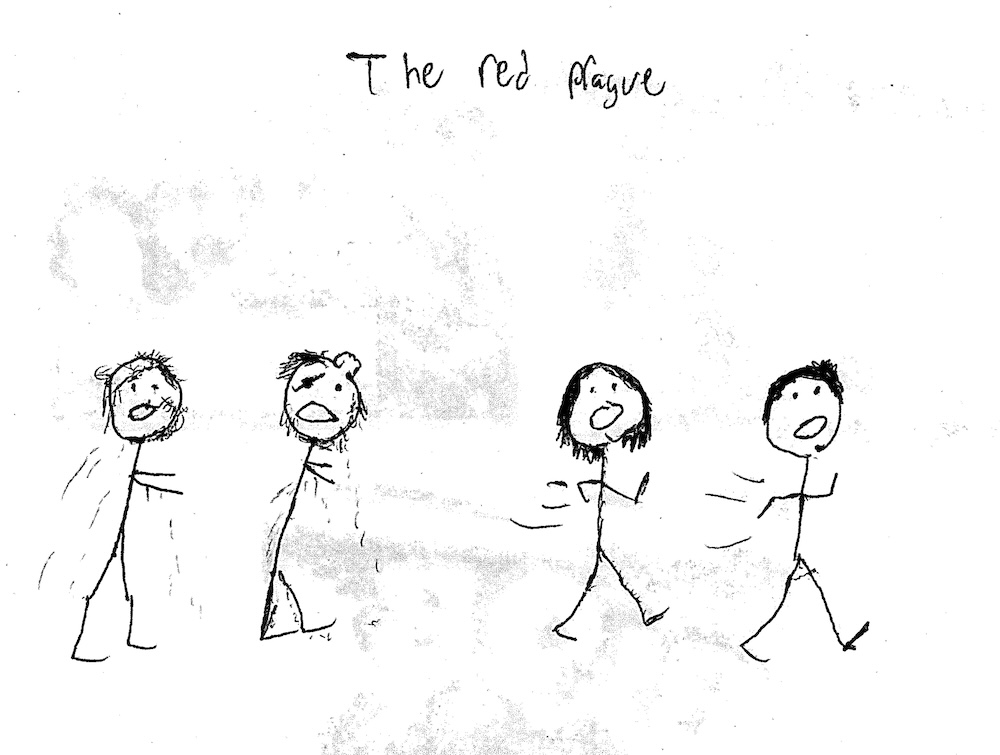
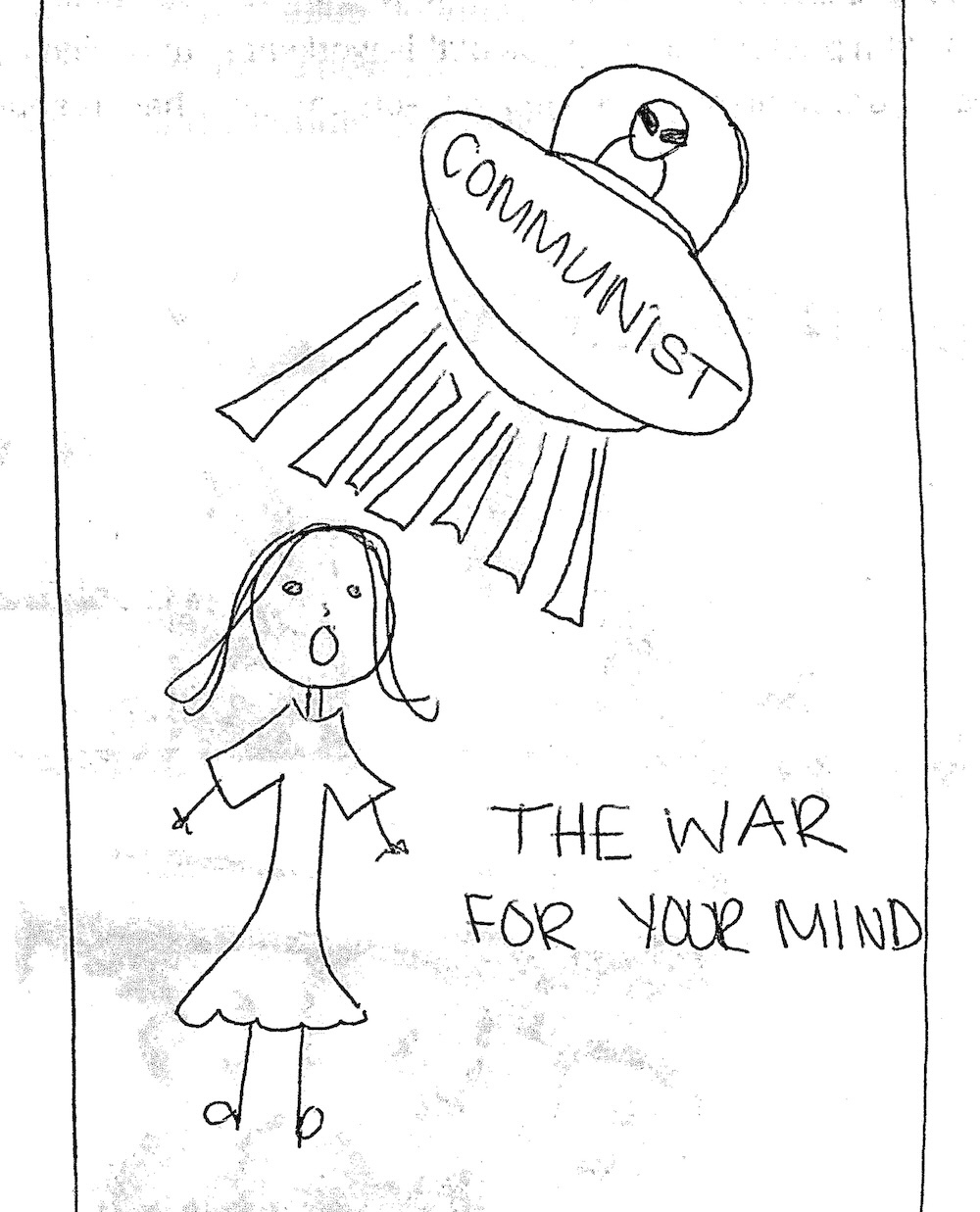
To be sure, some students just began to think through the topic on the fly in class, but many of the students found ingenious, clever, and creative ways to relay their sense of Cold War containment culture.