digitizing folk music history seminar notes, 14 April 2011.

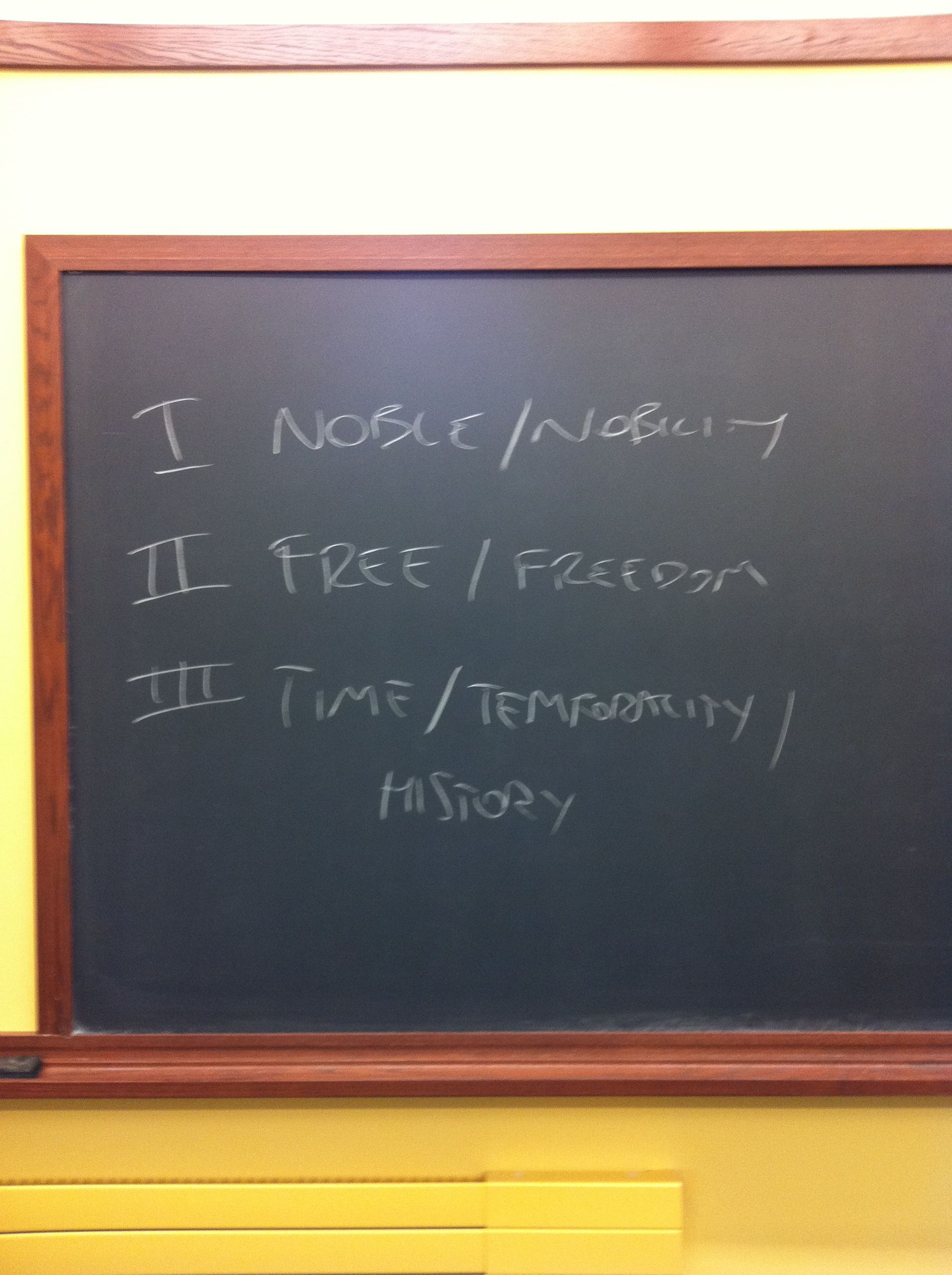
I. Thinking more about final interpretive digital history research projects and final essay.
II. Clip from No Direction Home and discussion of Dylan re folk revival
- Continuing to get a sense of the historical texture, issues, feel of the postwar folk revival years.
- Cantwell: Noble/nobility
- Dylan: Free/freedom
- Different senses of time/temporality as it relates to history/past, present moment, and future
The madly complicated modern world was something I took little interest in. It had no relevancy, no weight. I wasn’t seduced by it. What was swinging, topical, and up to date for me was stuff like the Titanic sinking, the Galveston flood, John Henry driving steel, John Hardy shooting a man on the West Virginia line. All this was current, played out, and in the open. This was the news that I considered, followed, and kept tabs on.
— Bob Dylan, Chronicles, Volume I, p. 20
Conversation
Why did this matter so much to participants?
acoustic vs. electric, topical vs. commercial, political vs. pop culture, and other binaries
Ideologies of art (as freedom?)
Dylan as punk
Authenticity of presentation? The performative nature of music personas in relation to conveying authenticity and sincerity
What is the difference between authenticity and sincerity, anyway?
Commerce vs. art vs. folk?
What are the different kinds of politics being practices:
- was Dylan’s resistance to being put in a box or category, even a “topical songwriter/political activist/voice of his generation” box or category, an even more radical politics?
- Why was this so appealing to some and so appalling to others (to the point of calling him a “Judas” in the chilling powerful last scene of the documentary)?
Last question
- A last question to ponder: why is the documentary called “no direction home” (other than the song lyric reference to Like a Rolling Stone)?