wondering about the frameworks for contemporary social analysis.
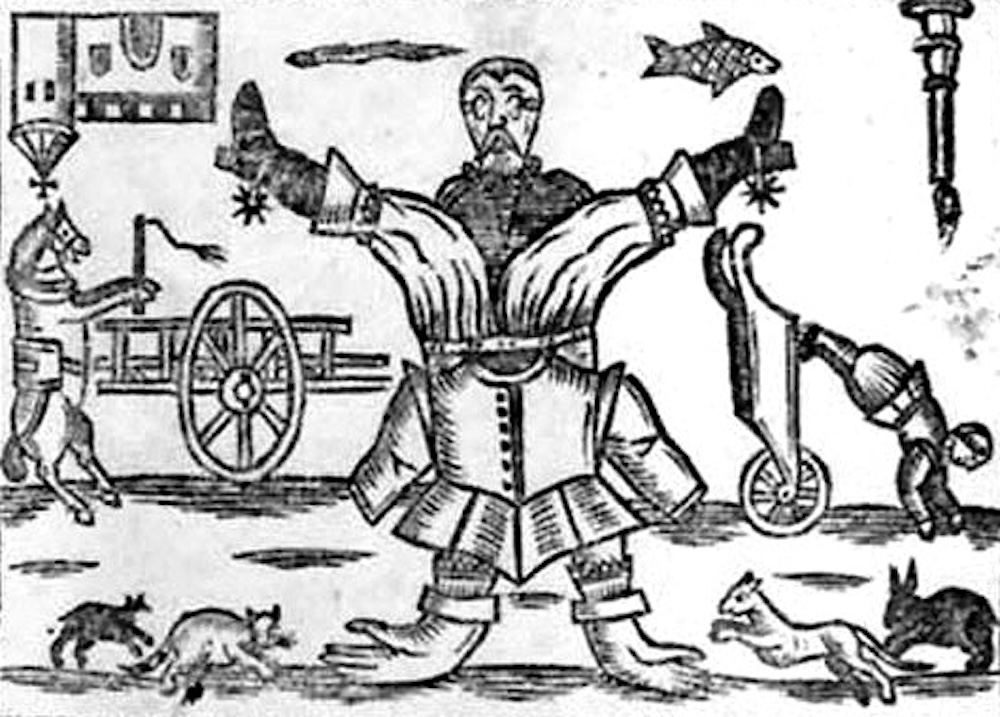
In contemporary intellectual life, are we making major category errors?
For instance, currently, the tendency is to handle AI as a cultural issue of how the technology works or students cheating or questions of what kind of world we want collectively, when in fact, the thing we call “Artificial Intelligence” should really be analyzed as political economy? With the massive tax breaks for tech companies, state capture of public funding by way of technological hype, impositions of consumer choice as no choice at all, huge contractor dole outs, and, most of all, the massive bubble of financial and private equity gambling on technologies branded as AI, the better approach would be to categorize AI as a question of political economic analysis?
Meanwhile, we treat electoral politics as a matter of political economy when it actually seems to be most of all about cultural factors. Even when the politics of voting and constituencies and the like concern pocketbook issues of costs or inflation or supposedly economic factors, those tend to register far more as moods, notions of what defines common sense, dreams, fears, worries…in short, cultural stuff)?
Do we have our categories of analysis all upside down, inside out, and reversed? And if so, why is that? Is it a good example of how ideology works not only straightforwardly, but also at the level of framework, setup, and setting?